What is Shoulder Arthroscopy?
Shoulder arthroscopy is a type of minimally invasive shoulder surgery. Doctors use a small camera, called an arthroscope, to look inside your shoulder joint. Because the cuts are tiny, this surgery often leads to less pain and a quicker recovery. Many people choose shoulder arthroscopy to fix shoulder problems without large incisions. According to experts, this method is safe and effective for many shoulder issues.
Common Reasons for Shoulder Arthroscopy
Doctors may suggest shoulder arthroscopy for several reasons. For example, it helps treat pain, stiffness, or injuries that do not improve with rest or medicine. Some common reasons include:
Because this surgery is less invasive, it is often chosen for these problems.
How the Procedure is Performed
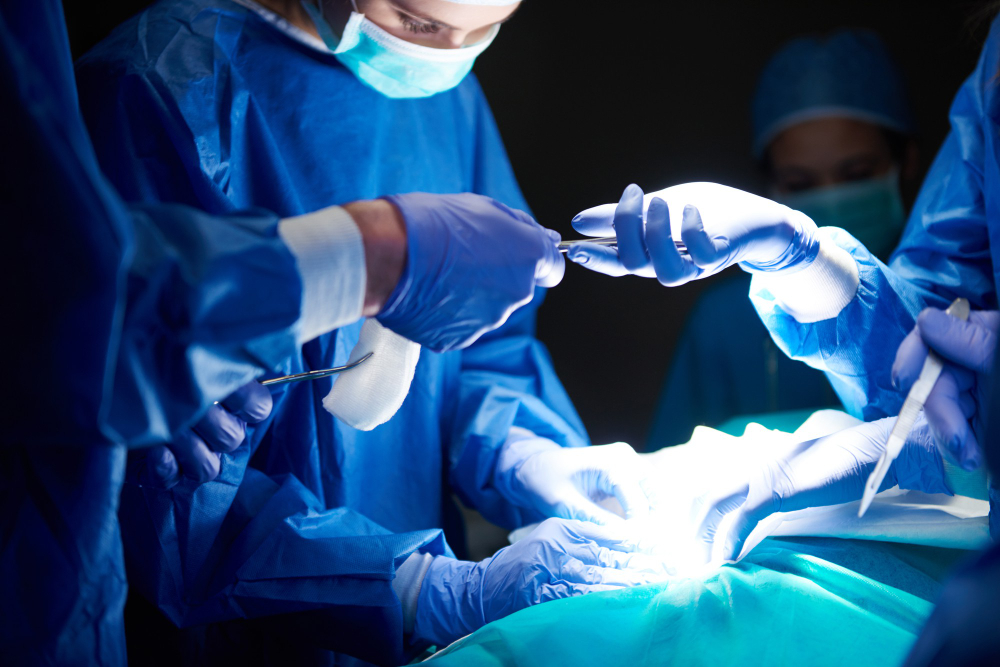
Before surgery, your doctor will explain the steps. Usually, you will get anesthesia to keep you comfortable. Then, the surgeon makes small cuts around your shoulder. Through these cuts, they insert the arthroscope and special tools. The camera sends images to a screen, so the doctor can see inside your joint. Next, the surgeon repairs or removes damaged tissue as needed. After the work is done, the tools are removed, and the cuts are closed with stitches or small strips. Most people go home the same day.
Benefits of Shoulder Arthroscopy
There are many benefits to choosing shoulder arthroscopy. For instance, the cuts are much smaller than in open surgery. This means:
Because recovery is often quicker, many people prefer this option. However, your doctor will help decide if it is right for you.
Risks and Possible Complications
Like any surgery, shoulder arthroscopy has some risks. Although problems are rare, it is important to know them. Possible risks include:
Because doctors use special care, most people recover without major issues. Still, you should talk to your doctor about any concerns.
Recovery Process and Tips
After shoulder arthroscopy, recovery usually takes a few weeks to a few months. At first, you may need to wear a sling to protect your shoulder. Your doctor will give you pain medicine if needed. Physical therapy often starts soon after surgery. This helps you regain strength and movement. To speed up healing, follow these tips:
Because everyone heals at a different pace, always follow your doctor’s advice for shoulder arthroscopy recovery.
Prevention and Lifestyle Guidance
While some shoulder problems cannot be prevented, you can lower your risk. For example, try these tips:
Because a healthy lifestyle supports joint health, eat a balanced diet and stay active. If you have shoulder pain, seek help early to avoid bigger problems.
Frequently Asked Questions
How long does shoulder arthroscopy take?
Most procedures last one to two hours. However, the time may vary based on the repair needed.
Will I need physical therapy?
Yes, physical therapy is important for a full recovery. Your doctor will guide you on when to start.
When can I return to work or sports?
It depends on your job or sport. Many people return to light work in a few weeks. Sports may take several months.
Is shoulder arthroscopy painful?
Some pain is normal after surgery. However, most people find the pain improves quickly with rest and medicine.
In summary, shoulder arthroscopy is a safe and effective way to treat many shoulder issues. Consult Dr. GORE MANAL SHYAM to discuss if shoulder arthroscopy is right for you.