PRP injections in orthopedic care are gaining popularity for treating joint and tendon problems. Platelet-rich plasma (PRP) therapy uses your own blood to help heal injuries. Many people choose this treatment because it is natural and may speed up recovery. In this blog, you will learn what PRP injections are, how they work, and what to expect during and after the procedure. We will also cover the benefits, risks, and common questions about PRP therapy for joints and other orthopedic issues.
What Are PRP Injections?
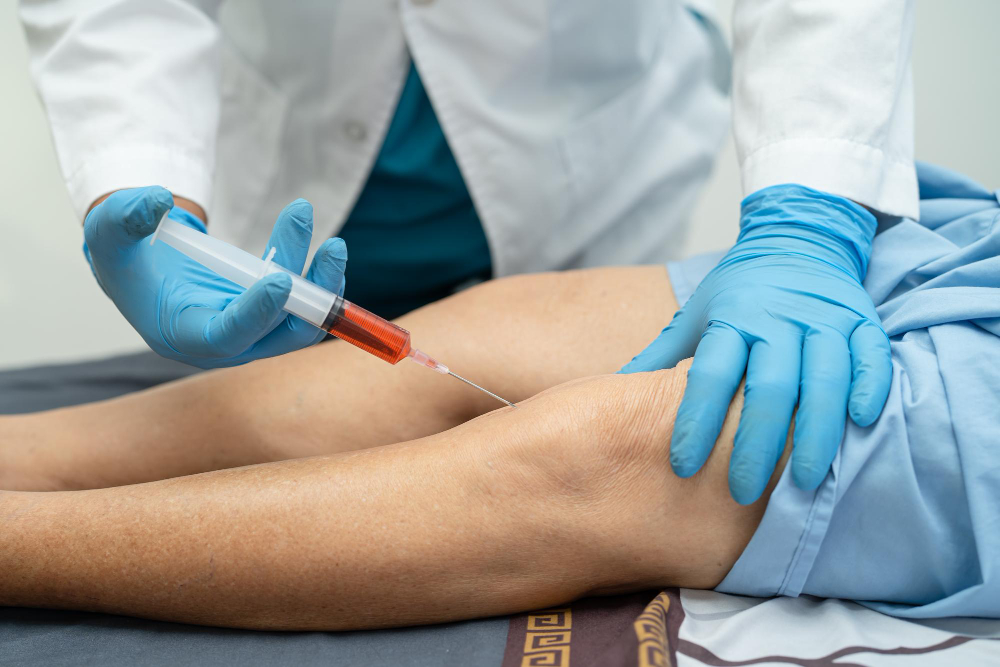
PRP stands for platelet-rich plasma. It is a part of your blood that contains many platelets. Platelets help your body heal by releasing growth factors. To prepare PRP, a doctor takes a small amount of your blood. Next, the blood is placed in a machine called a centrifuge. This machine spins the blood and separates the platelets from other parts. The doctor then collects the platelet-rich plasma and prepares it for injection. Because PRP comes from your own blood, it is usually safe and well-tolerated.
How PRP Injections Help in Orthopedic Care
Many orthopedic doctors use PRP injections to treat different conditions. For example, PRP therapy can help with:
According to recent studies published in peer-reviewed journals, PRP injections may reduce pain and improve function in some patients with joint problems. For instance, the World Health Organization (WHO) notes that PRP therapy is a promising option for certain musculoskeletal conditions. However, results can vary. Some people feel better after a few weeks, while others may need more time. Still, many patients choose PRP because it uses their own blood and may help avoid surgery.
The PRP Injection Procedure
The PRP injection process is simple and usually takes less than an hour. Here is what you can expect:
During the procedure, you may feel mild discomfort, but most people tolerate it well. Because the injection uses your own blood, the risk of allergic reaction is low. However, you should always tell your doctor about any allergies or health concerns before the procedure.
Recovery and Aftercare
After PRP treatment, recovery is usually quick. Most people can return to normal activities within a day or two. However, you may feel mild pain or swelling at the injection site. To help your recovery, follow these tips:
In most cases, improvement starts within a few weeks. However, some people may need more than one PRP injection. Always talk to your doctor about your progress and any concerns. With proper care, PRP treatment recovery can be smooth and effective.
Risks and Considerations
Although PRP injections are generally safe, there are some risks to consider. Possible side effects include:
Most side effects are mild and go away on their own. However, if you notice severe pain, redness, or fever, contact your doctor right away. It is also important to discuss your medical history with your doctor before starting PRP therapy. Some people with certain health conditions may not be good candidates for this treatment.
Frequently Asked Questions
How long does it take to see results from PRP injections?
Most people notice improvement within two to six weeks. However, results can vary based on the condition and the area treated.
Are PRP injections painful?
Some people feel mild discomfort during the injection. However, the pain is usually brief and goes away quickly.
How many PRP injections will I need?
Many patients need only one injection. However, some may need two or three treatments for the best results. Your doctor will guide you based on your needs.
Can PRP injections replace surgery?
In some cases, PRP therapy can help avoid or delay surgery. However, it may not work for everyone. Always discuss your options with your orthopedic specialist.