What is Patella Dislocation?
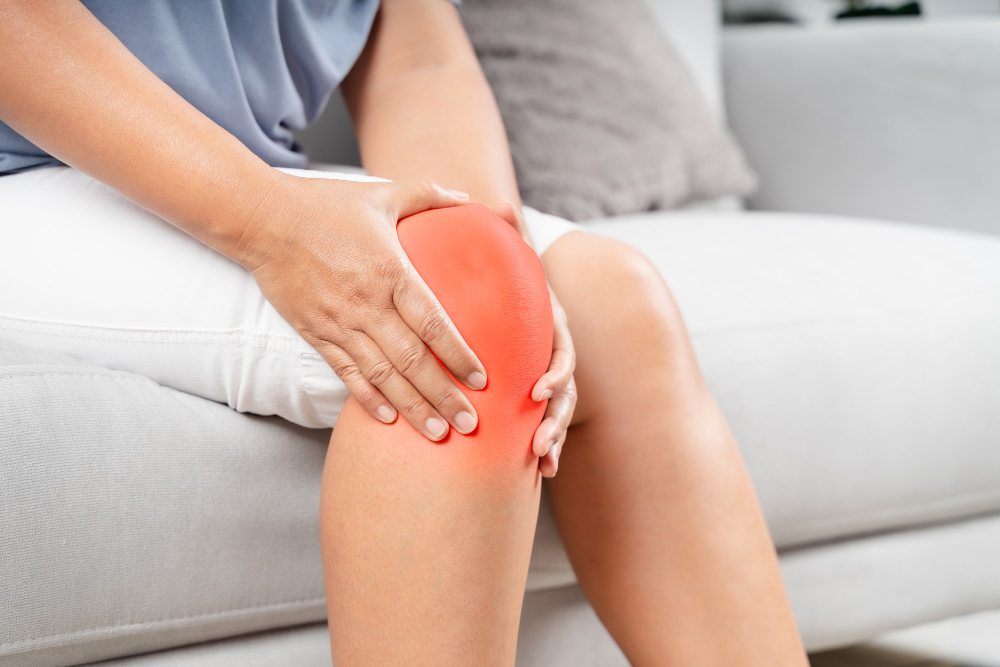
Patella dislocation happens when your kneecap moves out of its normal place. Usually, the kneecap slides to the outside of the knee. This injury can cause pain and swelling. For many people, patella dislocation relief is possible with the right care. Understanding this knee cap injury is the first step toward recovery.
Common Symptoms
After a patella dislocation, you may notice several signs. Early recognition helps you seek care quickly. Common symptoms include:
Sometimes, you may also hear a popping sound at the time of injury. If you notice these symptoms, seek medical help.
Causes and Risk Factors
Many things can lead to a dislocated kneecap. For example, a sudden twist or direct blow to the knee can cause this injury. However, some people are more at risk than others. Causes and risk factors include:
Knowing these risks can help you focus on preventing knee dislocation.
Diagnosis Methods
Doctors use several ways to diagnose a patella dislocation. First, they will ask about your injury and symptoms. Next, they will examine your knee. Often, they may order tests such as:
With these tools, doctors can plan the best knee cap injury treatment for you.
Treatment Options
There are many ways to find patella dislocation relief. Treatment depends on your injury’s severity. Common options include:
Usually, most people recover without surgery. However, following your doctor’s advice is key for safe healing.
Recovery and Lifestyle Tips
Recovering from a dislocated kneecap takes time and care. But with the right steps, you can return to normal activities. Here are some tips on how to recover from patella dislocation:
With patience and care, you can regain knee strength and movement.
Prevention Strategies
Preventing knee dislocation is possible with a few simple steps. For example, you can:
Additionally, regular orthopedic knee care can help spot problems early. These habits lower your risk of future injuries.
When to See a Doctor
Sometimes, home care is not enough. You should see a doctor if:
Early treatment helps prevent long-term problems. In many cities, you can find expert orthopedic care for knee injuries.
For the best patella dislocation relief and recovery, Consult Dr. GORE MANAL SHYAM for personalized guidance on patella dislocation relief.